The Sacred Buffalo: Animal Spirit Guide and Symbolism

The Sacred Buffalo: Animal Spirit Guide and Symbolism

Buffalo

The buffalo holds a significant place in the cultural, spiritual, and ecological fabric of various societies around the world.

Revered by indigenous peoples across North America, the buffalo symbolizes strength, abundance, and interconnectedness with nature. Its animal spirit embodies profound wisdom and resilience, offering valuable insights into the human condition and our relationship with the natural world.

Spiritual Significance:

Abundance

Provision

interconnectedness

strength

resilience

The Lakota people, in particular, have a rich spiritual relationship with the buffalo, viewing it as a manifestation of the Great Spirit and a source of sustenance, both physical and spiritual. The Sundance ceremony, a central ritual in Lakota culture, often incorporates the buffalo as a symbol of sacrifice and renewal, reflecting the interconnectedness of life, death, and regeneration.

In Native American creation stories, the buffalo is often seen as a gift from the Great Spirit.  Furthermore, the buffalo’s nomadic nature and ability to adapt to various environments embody the concept of fluidity and flexibility in navigating life’s journey. Its presence in dreams and visions is believed to convey messages of strength, guidance, and resilience, urging individuals to tap into their inner power and ancestral wisdom.

Native American tribes believe the white buffalo is a sign of good things to come.

Symbolism in Culture:

Beyond its spiritual significance, the buffalo holds a prominent place in the cultural heritage of many indigenous communities. From art and storytelling to traditional ceremonies and rituals, the buffalo is a recurring motif that symbolizes cultural identity, heritage, and the preservation of traditional ways of life.

In addition to its cultural symbolism, the buffalo has also played a crucial role in sustaining indigenous economies and livelihoods for centuries. Historically, buffalo hunting provided Native American tribes with food, clothing, shelter, and tools, emphasizing the deep connection between humans and nature’s bounty.


Conservation Efforts: Despite its cultural and ecological importance, the buffalo population faced severe decline due to overhunting and habitat loss during the 19th and 20th centuries. However, concerted conservation efforts and advocacy by indigenous communities, environmental organizations, and government agencies have helped restore and protect buffalo populations in recent decades.

Initiatives such as the American Bison Society and the Yellowstone Bison Conservation Initiative have focused on restoring wild buffalo herds, preserving their natural habitat, and promoting sustainable coexistence between humans and buffalo. These efforts not only contribute to the ecological health of ecosystems but also honor the cultural heritage and spiritual significance of the buffalo for indigenous peoples.

References:

  1. LaDuke, Winona. “Buffalo Nation: American Indian Efforts to Restore Bison to Indian Country.” Indian Country Today, 22 June 2016.
  2. Rosenthal, Michael. “Buffalo Nation: A History of the North American Bison.” University of California Press, 2020.
  3. Standing Bear, Luther. “My People, the Sioux.” University of Nebraska Press, 1975.
  4. Viola, Herman J. “Trail to Wounded Knee: The Last Stand of the Plains Indians.” National Geographic Society, 2005.
The Magic of the January Wolf Moon

The Magic of the January Wolf Moon

January Moon - Wolf Moon

The celestial dance that graces our night sky is a spectacle of wonders. Among these celestial performers, the wolf moon stands out, casting its ethereal glow and captivating the imagination of sky gazers. In January, we are treated to the enchanting presence of the Wolf Moon, a name that carries with it a sense of mystery and folklore.

The Origins:

The Wolf Moon, also known as the Old Moon or Ice Moon, is the full moon that graces our skies in the crisp winter month of January. The name is thought to have a Celtic and Old English origin, brought over to North America by European settlers. Other Celtic names of the Full Moon include Stay Home Moon and Quiet Moon. While in some Native American cultures, it is called Severe Moon or Center Moon. The Wolf Moon earned its moniker due to the heightened howling of wolves heard in the cold winter nights as they sought food.

Astrological Significance:

Beyond its folklore roots, the Wolf Moon holds astrological significance. In the realms of astrology, the full moon is a symbol of culmination and fruition. It marks a time when the moon is at its brightest and fullest, illuminating the night sky in all its glory. For those who follow lunar cycles closely, the Wolf Moon represents a period of reflection, release, and renewal—a time to let go of the old and make room for the new.

Spiritual Connection:

Many cultures view the full moon, and this in particular, as a spiritually charged time. It is believed to be a moment when the energies of the universe are heightened. Which makes it an opportune time for rituals, meditation, and spiritual practices. Some practitioners harness the energy of the January Moon to set intentions, manifest desires, or simply connect with the cosmic forces that govern our existence.

The Wolf Moon offers a chance to embrace the magic that permeates our universe. So, bundle up, step outside, and let the glow of the Wolf Moon cast its enchantment upon you.

Take advantage of this event to create moon water and later use its energy for your rituals and spells.

If you are intrigued about moon magic and would like to dive in and find out more, check our Moon Magic Grimoire Pages:

LEARN MORE

Unleashing Inner Harmony: The Transformative Power of Mudras

Unleashing Inner Harmony: The Transformative Power of Mudras

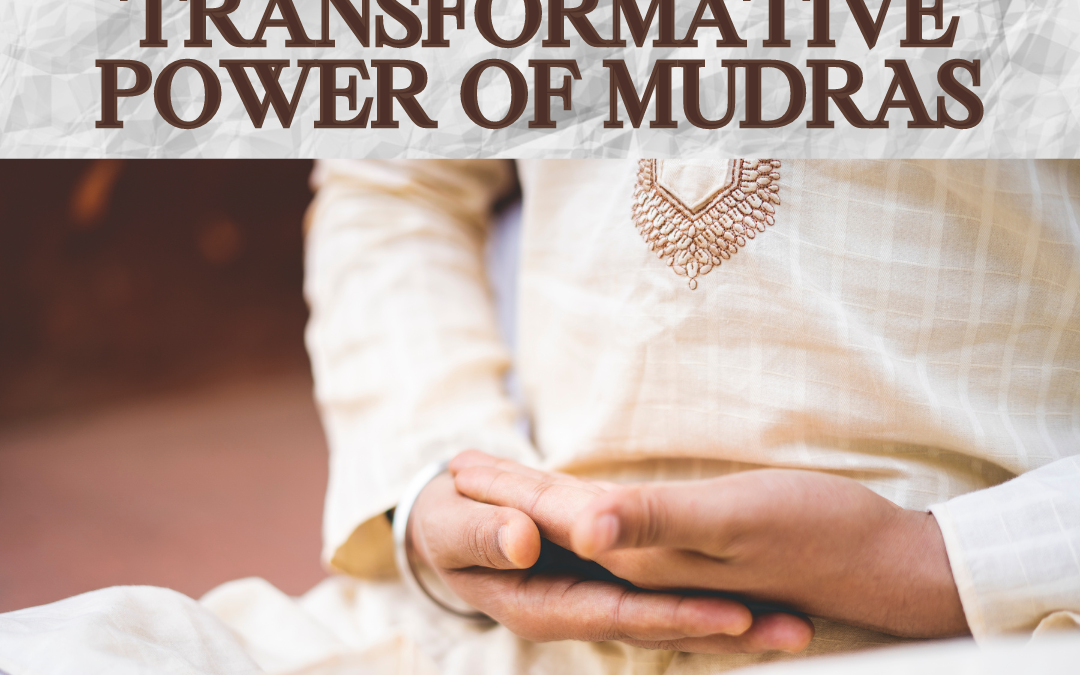
In the intricate tapestry of ancient wisdom, mudras stand as silent yet powerful messengers, communicating with the very essence of our being. Originating from the Sanskrit word for “seal” or “gesture,” mudras are ancient hand positions that have been employed for centuries in various cultures as potent tools for spiritual, mental, and physical well-being. In this article, we embark on a journey to explore the profound and transformative power of mudras, unlocking the secrets to inner harmony and self-discovery.

The Art of Mudras:

Mudras are more than mere hand gestures; they are a profound language that connects the body, mind, and soul. Rooted in ancient Indian philosophy and yogic traditions, mudras are believed to channel the body’s energy in specific ways, fostering balance and harmony. The hands, being a reflection of the brain, are considered to be a microcosm of the entire body, making mudras a holistic approach to well-being. This reflection can also be seen in reflexology, where each part of the hand or foot represents an organ or part of the body.

Mudras and Energy Flow:

Central to the philosophy of mudras is the concept of prana, the life force that flows within us. By adopting specific hand postures and practice, practitioners can manipulate the flow of prana, redirecting it to various parts of the body to promote healing and balance. Just as a dam controls the flow of a river, mudras are believed to guide the energy currents within the body, preventing stagnation and promoting vitality. I see it as a self induced accupuncture practice. Both completely different practices, yet with a smilar claim of guiding, opening, or closeing the flow of energy.

Unlocking the Mind-Body Connection:

The power of mudras extends beyond the physical realm, delving into the intricate network of the mind-body connection. Each mudra is associated with specific mental, emotional, and spiritual benefits. From calming anxiety to enhancing concentration, mudras are revered for their ability to influence our psychological and physical state positively. By engaging in these simple yet intentional gestures, individuals can navigate the complexities of their inner worlds with greater ease.

Exploring Common Mudras:

Several mudras have gained popularity for their diverse applications in promoting well-being. The Gyan Mudra, formed by touching the tip of the thumb to the index finger, is renowned for enhancing concentration and knowledge. The Anjali Mudra, or prayer pose, fosters a sense of gratitude and connection. These gestures, when practiced regularly, are believed to unlock the potential for profound self-discovery.

Modern Applications:

In an era marked by technological advancements and the relentless pace of modern life, the ancient practice of mudras finds new relevance. From boardrooms to living rooms, individuals are incorporating these simple yet impactful gestures into their daily routines. Whether seeking stress relief during a hectic workday or cultivating mindfulness in meditation, mudras offer a versatile and accessible tool for those navigating the challenges of contemporary living.

Healing from Heartbreak: Harnessing the Power of Crystals

Breaking up is never easy. The emotional toll can be so overwhelming, leaving us feeling lost, hurt, and in need of healing. While time and self-care are essential aspects of the recovery process, you might also find solace and support in the gentle yet powerful realm of crystals. These beautiful, earth-born gems have been used for centuries to aid in emotional healing, offering a unique way to navigate the challenging journey of mending a broken heart.

Crystals: Nature’s Gift for Emotional Healing

Crystals, with their vibrant colors and unique energetic properties from mother earth, have long been revered for their ability to promote emotional well-being and balance. When it comes to heartbreak, crystals can play a transformative role in helping you process your emotions, release negativity, and ultimately find inner peace.

Choosing the Right Crystals

Selecting the right crystals for your healing journey is a personal and intuitive process. While there are numerous crystals that can aid in emotional healing, consider these as a starting point:

  1. Rose Quartz: Known as the “stone of unconditional love,” Rose Quartz is the go-to crystal for matters of the heart. It fosters self-love, healing, and compassion, helping you to open your heart to forgiveness and new beginnings. Some also believe to be the crystal linked to Aphordite, the Greek Goddess of love and beauty.

  2. Amethyst: This calming crystal is renowned for its ability to soothe emotional pain, promote clarity of thought, and help with any kinf of healing. Amethyst can help you gain perspective on the breakup and encourage inner strength.

  3. Aquamarine: As a stone of courage and inner peace, Aquamarine aids in releasing old emotional baggage. It encourages clear communication and helps you navigate your feelings with grace.

  4. Black Obsidian: Sometimes, the healing process involves facing difficult truths. Black Obsidian is excellent for dispelling negativity and promoting self-reflection, helping you confront and release any lingering pain.

  5. Citrine: Known as the “happy stone,” Citrine can boost your mood and restore a sense of self-worth. Although mostly known for it’s metaphysical energies to atract money and wealth, it’s particularly useful when you’re ready to embrace a new chapter in your life.

Working with Crystals

Once you’ve chosen your crystals, it’s time to incorporate them into your healing routine:

  1. Meditation: Find a quiet space, hold your chosen crystal in your hand, and meditate. Visualize the crystal’s energy enveloping you in a warm, healing embrace.

  2. Crystal Grids: Create a crystal grid with stones strategically placed to support your healing intentions. Place this grid in a prominent location in your home.

  3. Carry Them: Keep a small crystal in your pocket or wear it as jewelry to benefit from its energy throughout the day.

  4. Bathing: Add crystals to your bathwater for a soothing and energetically cleansing experience.

  5. Journaling: Write down your thoughts, feelings, and intentions while holding a crystal. This can help you process your emotions more effectively.

The Mystic Influence of Numerology: How Numbers Shape Our Lives

Oh the magic of numerology! Numbers have always held a mysterious allure in our lives. From the moment we are born, our lives are entwined with numbers. Birthdays, addresses, phone numbers, and even our names all have numerical significance.

But could these numbers hold a deeper, more profound influence on our destinies? Welcome to the world of numerology, a captivating belief system that suggests numbers have a profound impact on our lives. In this blog post, we will briefly explore the intriguing concept of numerology and how it may affect our daily experiences, decisions, and destinies.

Numerology may be regarded by some as a pseudoscience, but for many, it offers a profound and intriguing lens through which to view life. Whether you are a fervent believer or a skeptic, there’s no denying the enduring fascination that numbers hold in our lives. Numerology invites us to explore the mystical and the unknown, offering another dimension to our understanding of ourselves and the world around us. So, the next time you encounter a significant number in your life, take a moment to ponder its hidden messages—it might just lead you down an unexpected path of self-discovery and enlightenment.

Understanding Numerology

Numerology is an ancient practice that assigns specific meanings and vibrations to numbers. It posits that numbers are not mere symbols but carriers of energy and cosmic significance. The practice of numerology can be traced back thousands of years, with roots in various cultures, including Ancient Egypt, Greece, China, and India. While there are different numerology systems, the most commonly practiced today is Pythagorean numerology, which attributes values to the numbers 1 through 9 and the master numbers 11, 22, and 33.


The Core Numbers in Numerology

In numerology, several core numbers play a pivotal role in deciphering our life path and destiny:

Life Path Number: Derived from your birthdate, this number reflects your life’s purpose and the lessons you are meant to learn. 

Expression (Destiny) Number: Based on your birth name, this number reveals your natural talents and potential.

Soul Urge (Heart’s Desire) Number: Also derived from your name, this number uncovers your innermost desires and motivations.

Personality Number: This number is a reflection of how you present yourself to the world, calculated from your name.

Birth Day Number: This number represents specific traits and tendencies associated with the day you were born.

The Impact of Numerology on Our Lives

Self-Discovery: Numerology can serve as a powerful tool for self-discovery. It encourages introspection, helping individuals understand their strengths, weaknesses, and unique qualities.

Guidance in Decision-Making: Many people turn to numerology for guidance when facing major life decisions. Numerologists believe that aligning choices with one’s core numbers can lead to more favorable outcomes.

Relationship Compatibility: Numerology can also be applied to assess compatibility in relationships. By comparing the core numbers of two individuals, it is believed that you can gain insights into the dynamics of the relationship.

Timing and Cycles: Numerology delves into the concept of personal and universal cycles. Understanding these cycles can help individuals make informed decisions about timing events in their lives, such as starting a new venture or making a life-changing move.

Spiritual Growth: For some, numerology is a path to spiritual growth and enlightenment. It provides a framework for understanding the interconnectedness of all things and the greater cosmic order.