

Shadow work meaning

Shadow work meaning

What Is Shadow Work? 🌑

“Shadow work” stems from Carl Jung’s concept of the shadow self—the unconscious parts of our personality we repress, deny, or feel ashamed of—like anger, envy, fears, or unacknowledged talents. These hidden aspects quietly shape our behaviors, relationships, and often sabotage our growth.

Shadow work, then, is the intentional process of bringing these hidden parts into awareness, integrating them into our conscious identity. It’s a path toward wholeness and individuation—becoming our fullest, most integrated selves.

shadow work meaning, illustration purposes only

Why Does Shadow Work Matter?


1. Improved Self-Awareness & Emotional Healing

Shadow work helps us understand the root of our triggers, emotional wounds, and reactive behaviors, replacing confusion with clarity and self-compassion.

2. Greater Authenticity & Confidence

By embracing all parts of ourselves—both light and dark—we step into a more authentic version of who we are. This breeds confidence and integrity .

3. Enhanced Creativity & Gifts

What’s suppressed can include talents and creative impulses. Integrating your shadow can unlock newfound inspiration

Want to know more?

Also check: 

👉 The Importance of Shadow Work in Personal Development.

Common Techniques to Begin Shadow Work

  • Journaling & Prompts: Write about moments when you’re triggered or when you judge someone.

  • Guided Therapy or Coaching: A trained professional can help guide you through deeper, sometimes trauma-related content.

  • Meditation: Guided meditations crafted for shadow work. Like this one👉Meet your shadow – Shadow Work Meditation

  • Creative Expression: Explore feelings through art, movement, or music—means Jung suggested to surface and integrate repressed material. 👉 Check the course for guidance: Shadows to Light: Path to Personal Liberation
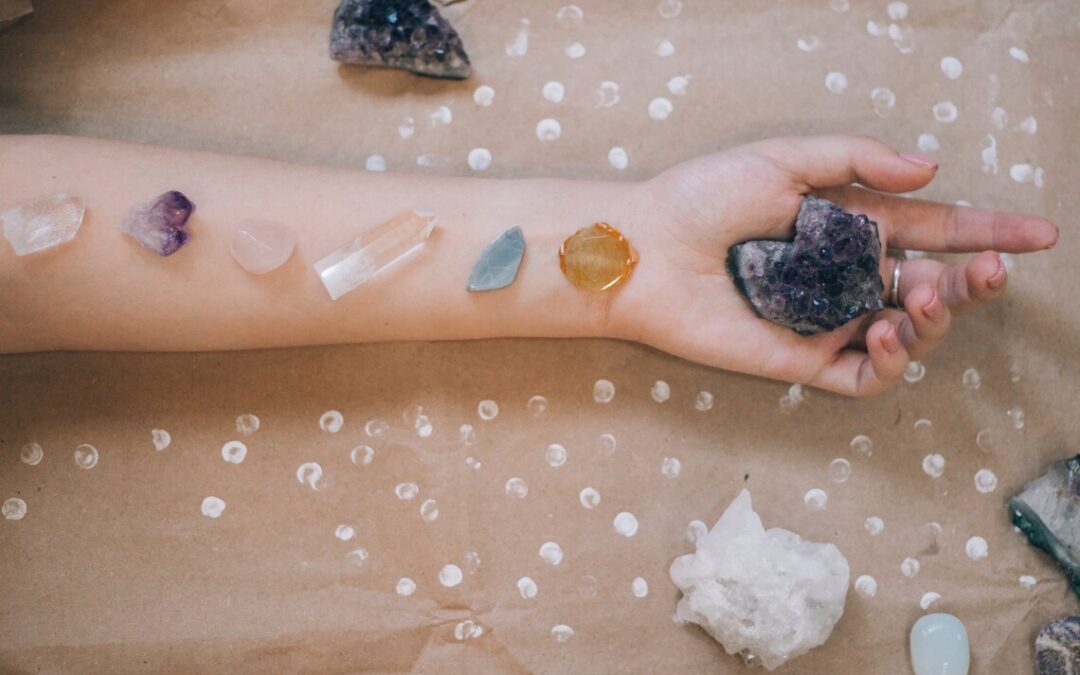
The Benefits of Reiki: A Healing Touch Backed by Research

The Benefits of Reiki: A Healing Touch Backed by Research

Reiki, the Japanese healing technique developed by Misao Usui, has gained popularity as a complementary therapy for various physical and mental health conditions. This blog post explores the benefits of Reiki, supported by recent studies, highlighting its potential as a safe and effective treatment option.

Mental Health Benefits

Reiki has shown promise in improving mental health by reducing symptoms of stress, anxiety, and depression. A systematic review of randomized placebo-controlled trials found that Reiki consistently demonstrated a greater therapeutic effect over placebo for clinically relevant levels of stress and depression, and moderate to high effectiveness for anxiety. Another study highlighted Reiki’s potential to improve mood and well-being, particularly in individuals with high anxiety and depression, showing significant mood improvements at a five-week follow-up.

Pain and Quality of Life

Reiki therapy is also beneficial in managing pain and enhancing the quality of life, especially in palliative care settings. A review indicated that Reiki could relieve pain, decrease anxiety and depression, and improve the quality of life for patients in palliative care. Although more research is needed, these preliminary findings suggest that Reiki could be a valuable addition to pain management strategies.

Physiological Effects

Reiki’s impact extends to physiological parameters such as heart rate, blood pressure, and stress levels. A pilot study explored these effects, finding that while the results were not statistically significant, there was a trend towards reduced heart rate and stress levels in the Reiki group compared to controls. This suggests that Reiki may help in promoting relaxation and reducing physiological stress markers.

Complementary Health Therapy

Reiki is recognized as a gentle and safe complementary therapy that activates the parasympathetic nervous system, aiding in the healing of both body and mind. It has potential applications in managing chronic health conditions and postoperative recovery. The integration of Reiki into healthcare settings, such as hospices, has shown to enhance the quality of care by providing emotional, physical, and spiritual support.

To Wrap it All Up

Reiki offers a range of benefits, from improving mental health to enhancing quality of life and managing pain. While more high-quality research is needed to fully establish its effectiveness, current studies provide encouraging evidence of its therapeutic potential. As a non-invasive and gentle therapy, Reiki could serve as a valuable complement to conventional medical treatments, promoting holistic well-being.

Reference: Zadro, S., & Stapleton, P. (2022). Does Reiki Benefit Mental Health Symptoms Above Placebo?. Frontiers in Psychology, 13. https://doi.org/10.3389/fpsyg.2022.897312

Do you want to experience a Reiki session? 

Check the shop here: Reiki healing

Unleashing Inner Harmony: The Transformative Power of Mudras

Unleashing Inner Harmony: The Transformative Power of Mudras

In the intricate tapestry of ancient wisdom, mudras stand as silent yet powerful messengers, communicating with the very essence of our being. Originating from the Sanskrit word for “seal” or “gesture,” mudras are ancient hand positions that have been employed for centuries in various cultures as potent tools for spiritual, mental, and physical well-being. In this article, we embark on a journey to explore the profound and transformative power of mudras, unlocking the secrets to inner harmony and self-discovery.

The Art of Mudras:

Mudras are more than mere hand gestures; they are a profound language that connects the body, mind, and soul. Rooted in ancient Indian philosophy and yogic traditions, mudras are believed to channel the body’s energy in specific ways, fostering balance and harmony. The hands, being a reflection of the brain, are considered to be a microcosm of the entire body, making mudras a holistic approach to well-being. This reflection can also be seen in reflexology, where each part of the hand or foot represents an organ or part of the body.

Mudras and Energy Flow:

Central to the philosophy of mudras is the concept of prana, the life force that flows within us. By adopting specific hand postures and practice, practitioners can manipulate the flow of prana, redirecting it to various parts of the body to promote healing and balance. Just as a dam controls the flow of a river, mudras are believed to guide the energy currents within the body, preventing stagnation and promoting vitality. I see it as a self induced accupuncture practice. Both completely different practices, yet with a smilar claim of guiding, opening, or closeing the flow of energy.

Unlocking the Mind-Body Connection:

The power of mudras extends beyond the physical realm, delving into the intricate network of the mind-body connection. Each mudra is associated with specific mental, emotional, and spiritual benefits. From calming anxiety to enhancing concentration, mudras are revered for their ability to influence our psychological and physical state positively. By engaging in these simple yet intentional gestures, individuals can navigate the complexities of their inner worlds with greater ease.

Exploring Common Mudras:

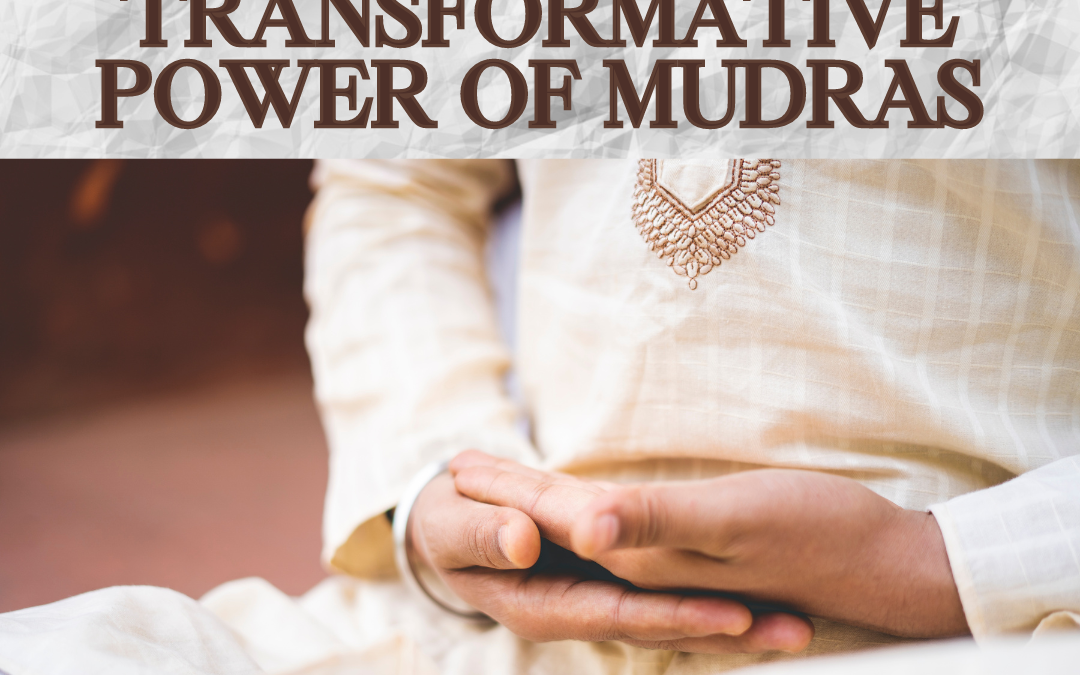
Several mudras have gained popularity for their diverse applications in promoting well-being. The Gyan Mudra, formed by touching the tip of the thumb to the index finger, is renowned for enhancing concentration and knowledge. The Anjali Mudra, or prayer pose, fosters a sense of gratitude and connection. These gestures, when practiced regularly, are believed to unlock the potential for profound self-discovery.

Modern Applications:

In an era marked by technological advancements and the relentless pace of modern life, the ancient practice of mudras finds new relevance. From boardrooms to living rooms, individuals are incorporating these simple yet impactful gestures into their daily routines. Whether seeking stress relief during a hectic workday or cultivating mindfulness in meditation, mudras offer a versatile and accessible tool for those navigating the challenges of contemporary living.